Restricted Residence
“There is something about the invisibility of radiation, and its potential to kill silently. We have good reason to fear what we cannot see, or taste, or hear, or touch. If our senses offer no guide to the scale of the risk, we must assume the best or fear the worst.” – Fred Pearce, science and environmental writer.
Restricted Residence examines the relocation of Japanese citizens to Namie and Iitate, two towns exposed to extreme radioactivity following three nuclear reactor meltdowns and subsequent hydrogen explosions at the Fukushima Daiichi Nuclear Power Plant after the Great East Japan earthquake and tsunami of 2011.
A decade on from the leak, various medical agencies such as the World Health Organization, agree that the traumatic effects of the disaster have caused multidimensional and long-term mental health conditions. Studies reveal that the experience of the nuclear reactors exploding has become deeply embedded in people’s memories, and the radioactive fallout has brought with it chronic anxiety regarding the physical risks of radiation, a condition known as Radiophobia. Worries about livelihoods, lost social ties and concerns about compensation have led to the fracture of families and communities and all are associated with a rise in physical health problems, addictions and suicides. To date, over 2,250 deaths have been attributed to the disaster.
Despite inconclusive scientific consensus of the long-term effects of radiation in the area, in 2017 the Japanese government began to reduce the exclusion zones and heavily financially incentivise residents to return to what were formerly bustling towns, with nearly 27,000 living and working there. Now, the area is eerily empty, with just a few hundred people brave enough to return. With the reactor still unrepaired and uninhabitable radiation hotspots scattered across the landscape, some believe these areas will not be safe for 50 years or longer.
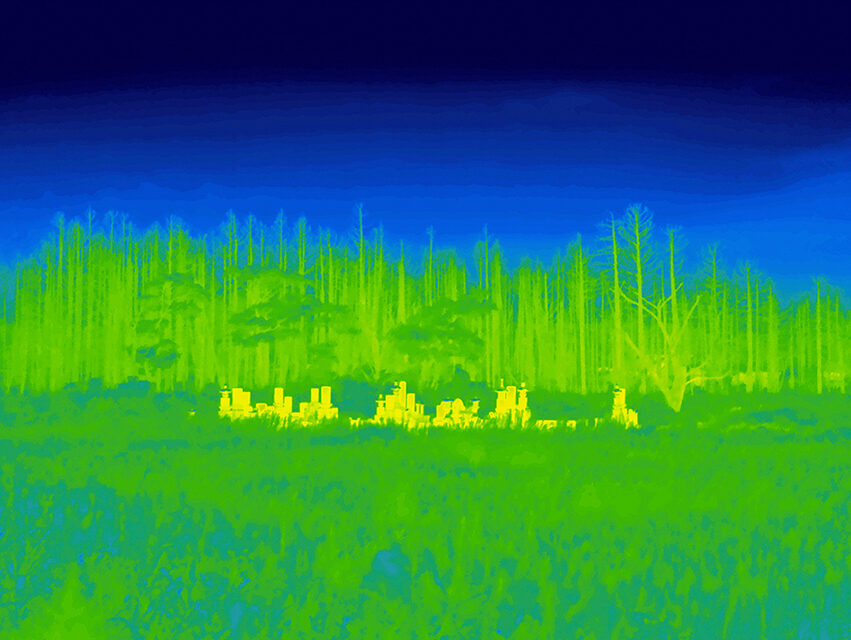
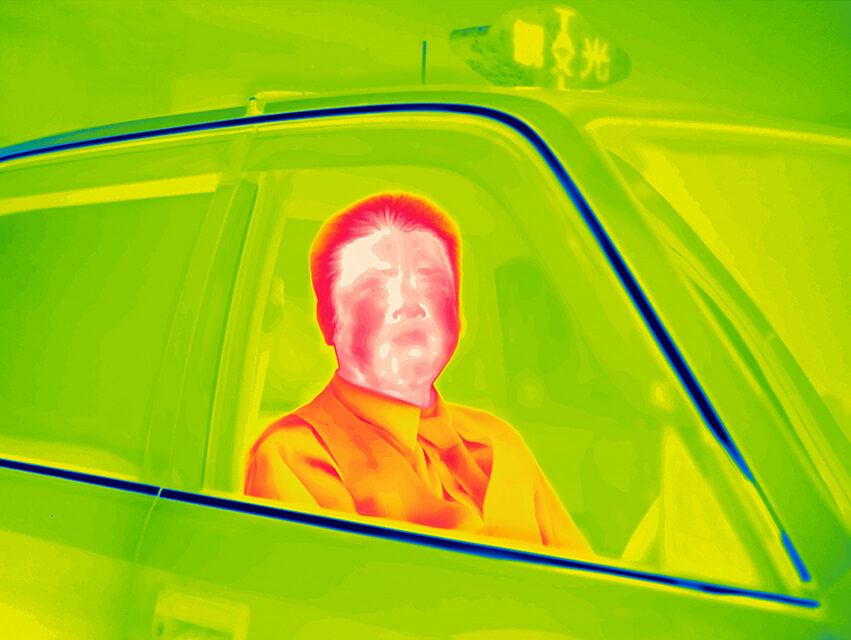
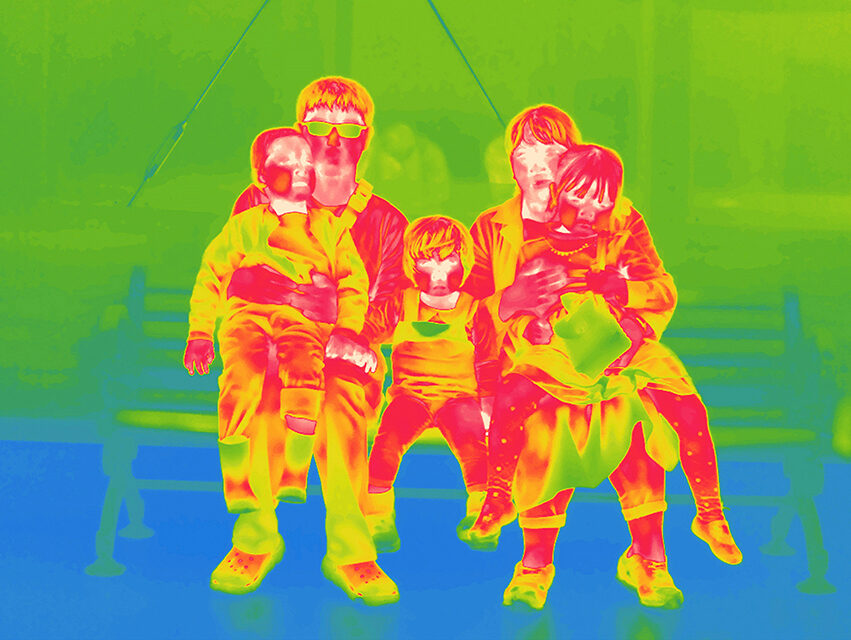
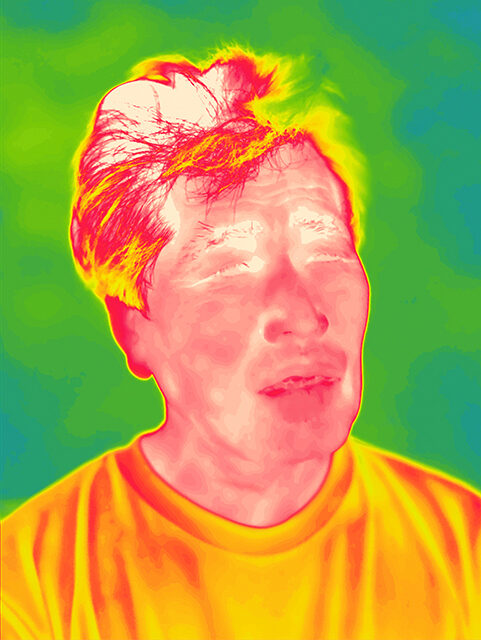
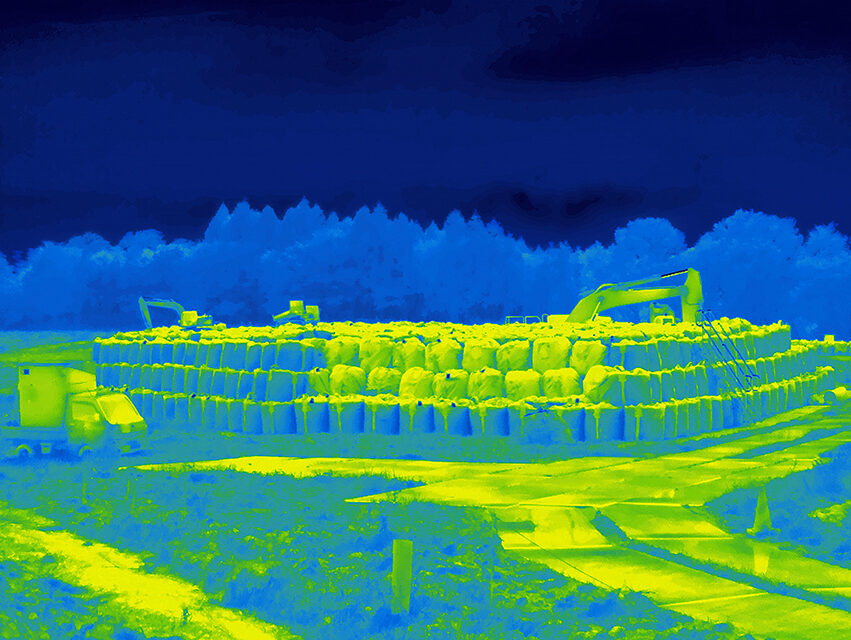
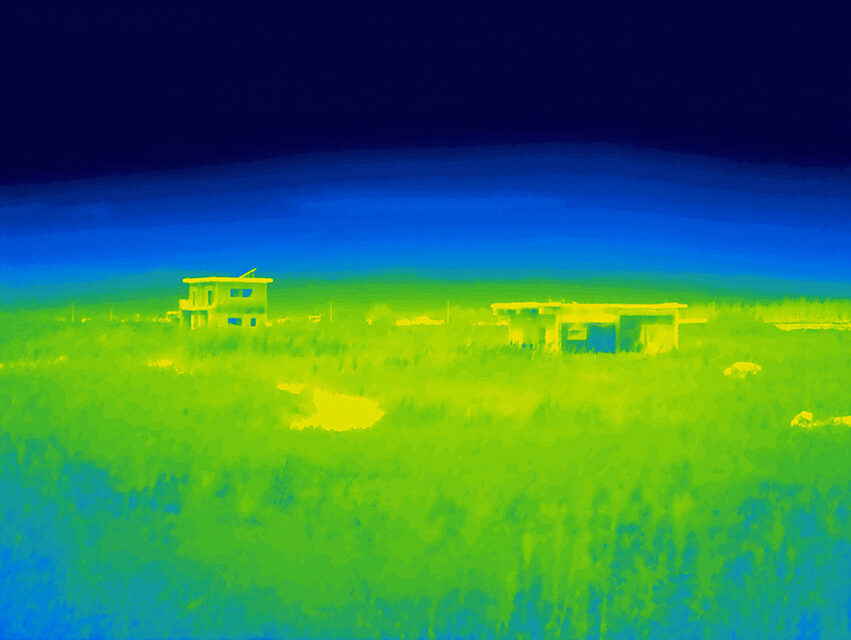
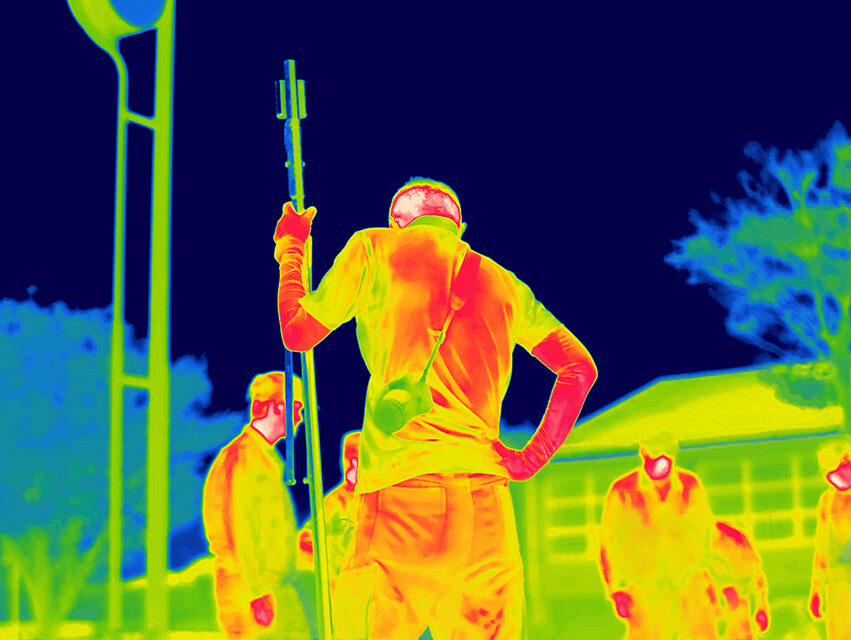
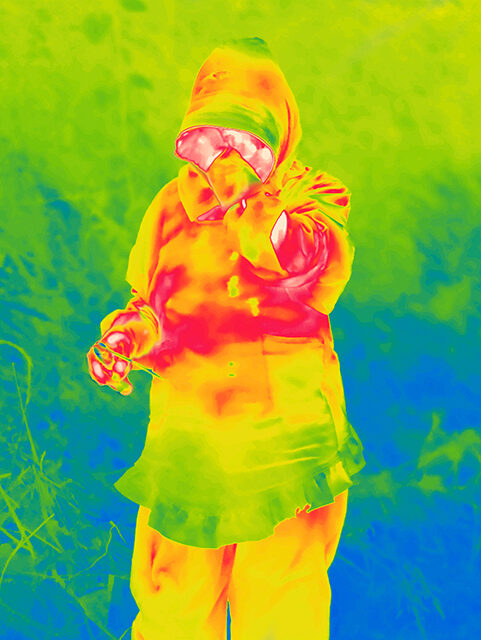
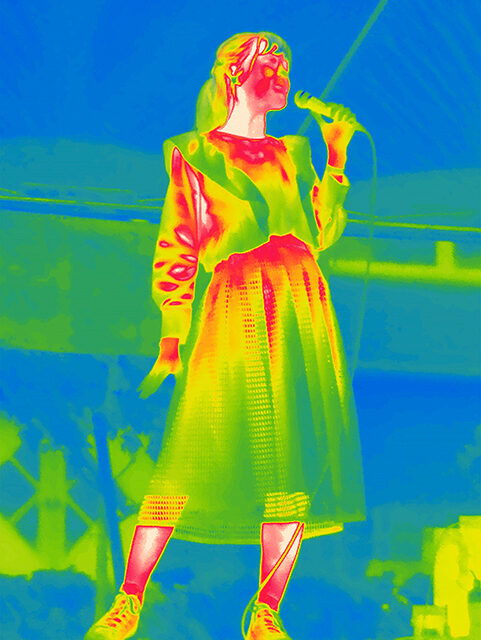
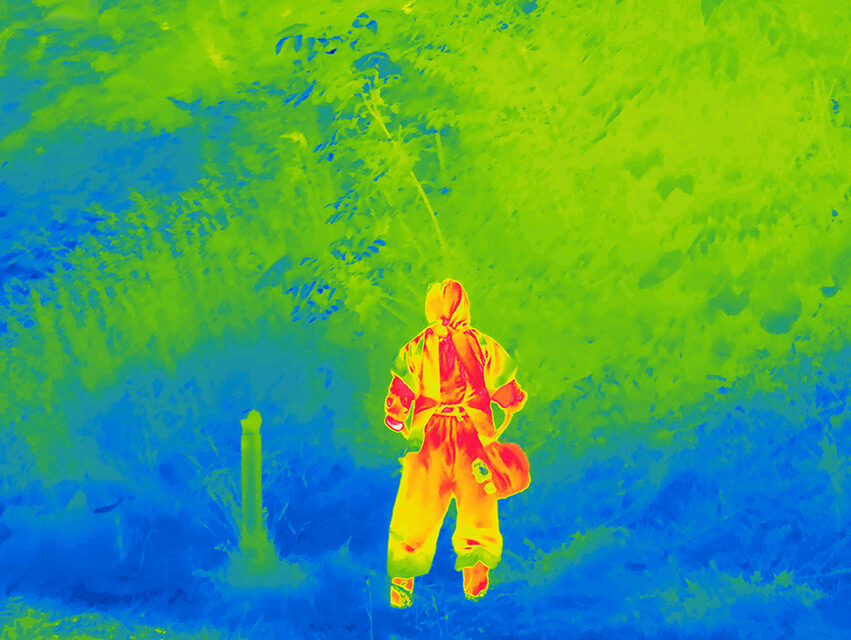
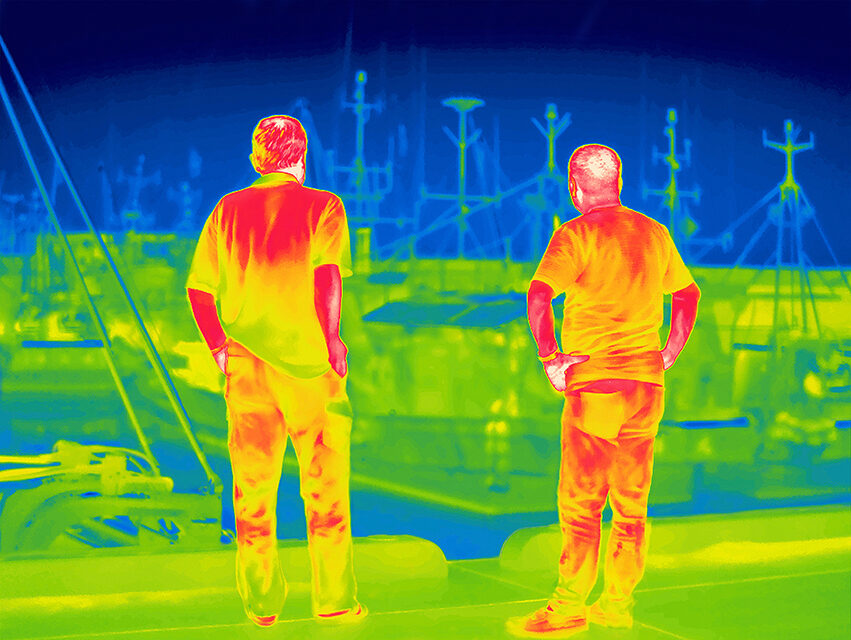
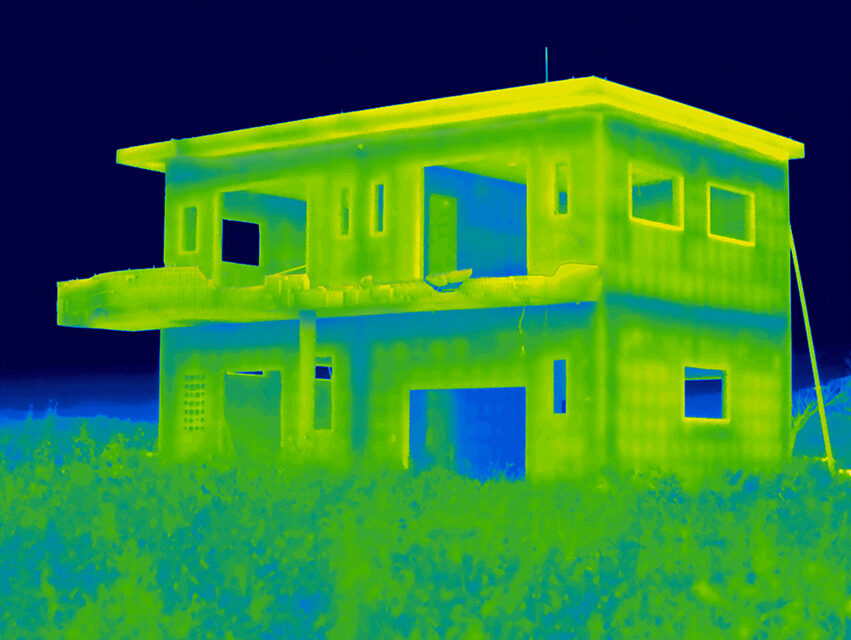
Restricted Residence employs thermal technology used in industrial surveying and medicine, but applied as a metaphor for hidden stresses of living in a potentially toxic environment. It raises questions about what exactly the human costs of manmade disasters are and our urgent need to find and implement energy systems that impact less on our fragile environment and generations of the future.
Monograph published by Loose Joints is available to purchase here.
“There is something about the invisibility of radiation, and its potential to kill silently. We have good reason to fear what we cannot see, or taste, or hear, or touch. If our senses offer no guide to the scale of the risk, we must assume the best or fear the worst.” – Fred Pearce, science and environmental writer.
Restricted Residence examines the relocation of Japanese citizens to Namie and Iitate, two towns exposed to extreme radioactivity following three nuclear reactor meltdowns and subsequent hydrogen explosions at the Fukushima Daiichi Nuclear Power Plant after the Great East Japan earthquake and tsunami of 2011.
A decade on from the leak, various medical agencies such as the World Health Organization, agree that the traumatic effects of the disaster have caused multidimensional and long-term mental health conditions. Studies reveal that the experience of the nuclear reactors exploding has become deeply embedded in people’s memories, and the radioactive fallout has brought with it chronic anxiety regarding the physical risks of radiation, a condition known as Radiophobia. Worries about livelihoods, lost social ties and concerns about compensation have led to the fracture of families and communities and all are associated with a rise in physical health problems, addictions and suicides. To date, over 2,250 deaths have been attributed to the disaster.
Despite inconclusive scientific consensus of the long-term effects of radiation in the area, in 2017 the Japanese government began to reduce the exclusion zones and heavily financially incentivise residents to return to what were formerly bustling towns, with nearly 27,000 living and working there. Now, the area is eerily empty, with just a few hundred people brave enough to return. With the reactor still unrepaired and uninhabitable radiation hotspots scattered across the landscape, some believe these areas will not be safe for 50 years or longer.
Restricted Residence employs thermal technology used in industrial surveying and medicine, but applied as a metaphor for hidden stresses of living in a potentially toxic environment. It raises questions about what exactly the human costs of manmade disasters are and our urgent need to find and implement energy systems that impact less on our fragile environment and generations of the future.
Monograph published by Loose Joints is available to purchase here.